Category Sermons

Thoughts on Parashat Shoftim.
Is it possible to eliminate crime completely? How about at least eliminating the worse crime, murder? It probably is possible. Here is a scenario: We lock all the people in individual prison cells and we construct our societies that way. It would require three social castes: prisoners
Refleksja nad paraszą Szoftim.
Czy możliwe jest całkowite wyeliminowanie przestępczości z naszych społeczeństw? A może da się wyeliminować tylko jeden rodzaj przestępstw, powiedzmy te najgorsze – morderstwa? Prawdopodobnie jest to możliwe. Można na przykład zamknąć wszystkich ludzi w oddzielnych
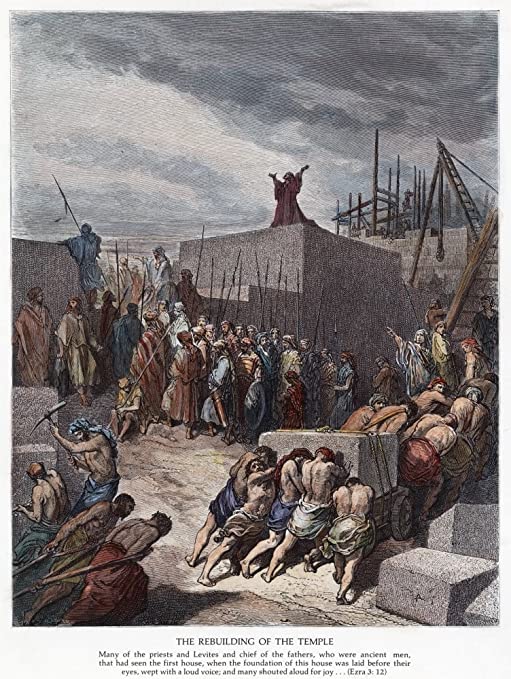
Thoughts of Parashat Re’eh
How do you know if those you think are wicked are really wicked? Aleksandr Solzhenitsyn said that there is no absolutely evil person in the world and no one who is absolutely good either (paraphrasing his famous saying which I quoted in my drasha a few weeks ago). Similarly, the great
Refleksja nad paraszą Ree.
Skąd możemy wiedzieć, czy ci, których uważamy za niegodziwych, są naprawdę niegodziwi? Aleksander Sołżenicyn powiedział, że nie ma na świecie żadnej absolutnie złej osoby ani nikogo, kto byłby absolutnie dobry (parafrazując jego słynne powiedzenie, które cytowałem
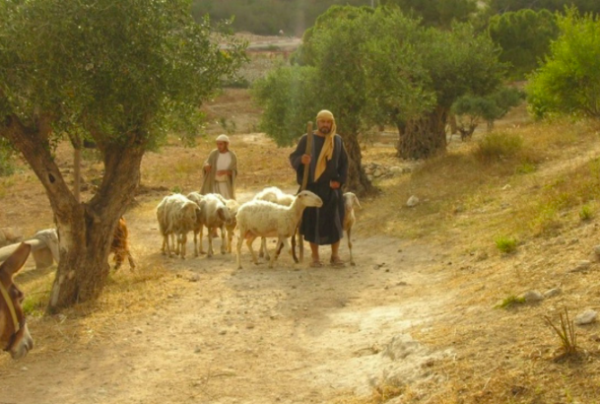
Thoughts on parashat Ekev.
This week’s Torah portion includes a beautiful vision of the Promised Land, spoken through the mouth of Moses on the eve of its conquest:
For the LORD your God is bringing you into a good land, a land with streams and springs and fountains issuing from plain
Refleksja nad paraszą Ekew.
Porcja Tory na ten tydzień zawiera piękną wizję Ziemi Obiecanej, wypowiedzianą ustami Mojżesza w przededniu jej podbicia:
Albowiem Pan, Bóg twój, wprowadzi cię do ziemi pięknej, ziemi obfitującej w potoki, źródła i strumienie, które tryskają w

Thoughts on parashat Va’etchanan.
The Torah contains the Divine laws. These laws are our moral and ritual guidelines on how to live a just and happy life, filled with blessings. The core of our moral code is Aseret ha-Dibrot –
Refleksja nad paraszą Wa’etchanan.
Tora zawiera Boskie prawa. Prawa te są naszymi moralnymi i rytualnymi wskazówkami, jak żyć sprawiedliwym, szczęśliwym i pełnym błogosławieństw życiem. Rdzeniem naszego kodeksu moralnego jest Aseret ha-Dibrot – Dziesięć Przykazań, które znajdujemy w paraszy na

Thoughts on Parashat Matot-Massei.
“Two things are infinite: the universe and human stupidity; and I’m not sure about the universe,” Albert Einstein reportedly said. He also said that “Nothing happens until something moves.” Indeed, constant movement seems to
Refleksja nad paraszą Matot-Masei.
“Tylko dwie rzeczy są nieskończone: wszechświat oraz ludzka głupota, choć nie jestem pewien co do tej pierwszej”. – powiedział ponoć Albert Einstein. Einstein powiedział też, iż „Nic się nie dzieje, dopóki coś się nie
About Rabbi Cantor Menachem Mirski, Ph.D.
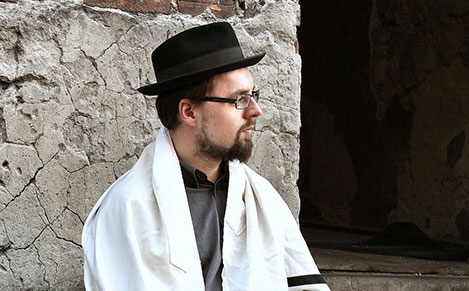
Rabbi Menachem Mirski was born and raised in Poland, where he was a musician, a scholar, and active in helping revive the Jewish community in Poland. While still in Poland, he trained and worked as a hazzan, leading weekly services. He is an accomplished musician, performing in the klezmer scene in Europe and America for well over a decade. At the same time, he earned a Ph.D. in philosophy from the Maria Curie-Sklodowska University in Lublin, Poland. His dissertation was on Jewish Theological Responses to the Holocaust.
Rabbi Mirski’s scholarly pursuits inspire his congregation to delve deeper into Jewish religious concepts and their faith. His passion lies in unlocking the timeless wisdom of Torah and traditional rabbinic teachings to tackle today’s cultural, philosophical, and social challenges. With his gentle and welcoming demeanor, Rabbi Mirski embodies a deep commitment to fostering a tight-knit community and nurturing genuine bonds.
Contact:
Menachem@MenachemMirski.com
(424) 522-9438
Share Your Feedback
Instagram for Temple Beth Shalom
Menachem Mirski YouTube Channel
Donate via PayPal:
Click Here to Donate

Donate via Venmo:
pmirski@aju.edu
Donate via Zelle:
4245229438